
care-centric gatherings and programs
WITH GROUPS, COMMUNITIES, AND MOVEMENTS

When working with groups
—cohorts of students, organizations, networks, movements—I focus my interest and energies on communities who want to build systems of care into their culture and ways of being, relating, and making.
Over the years, this has looked like designing and facilitating gatherings and programs to tend to specific needs of the group, advising design and research initiatives, offering feedback on the conceptualization and development of projects, and teaching community courses.
Some areas of practice that my collaborations have focused on include:
unearthing a group’s values to develop principles, manifestos, and practices
imagining and prototyping everyday ways to center personal and collective care
clarifying collective care dreams to build life-sustaining infrastructures
integrating co-design methodologies and ways of working, relating, and making rooted in design justice and disability justice principles
making programs and services more accessible to specific communities, often those who are strategically marginalized
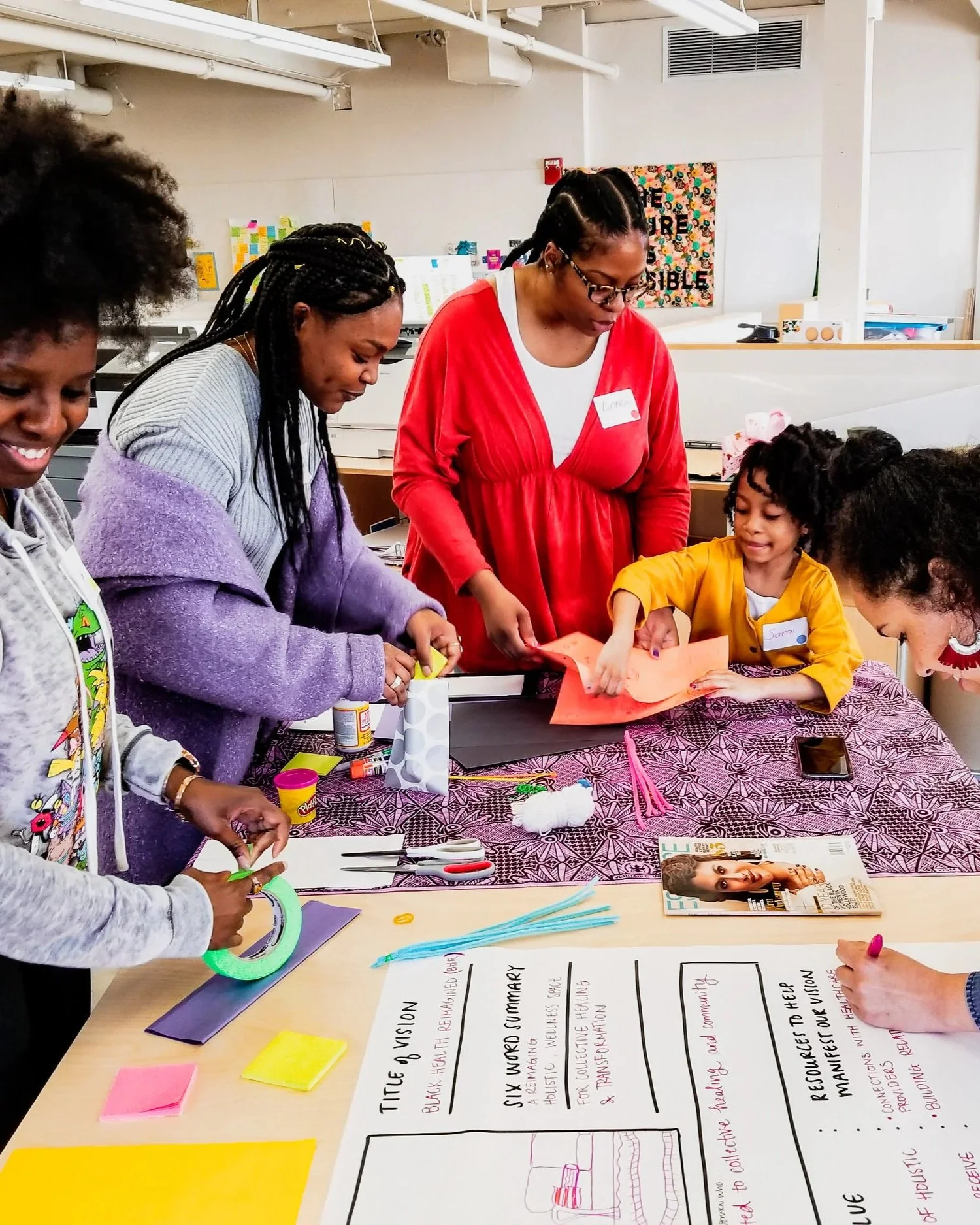
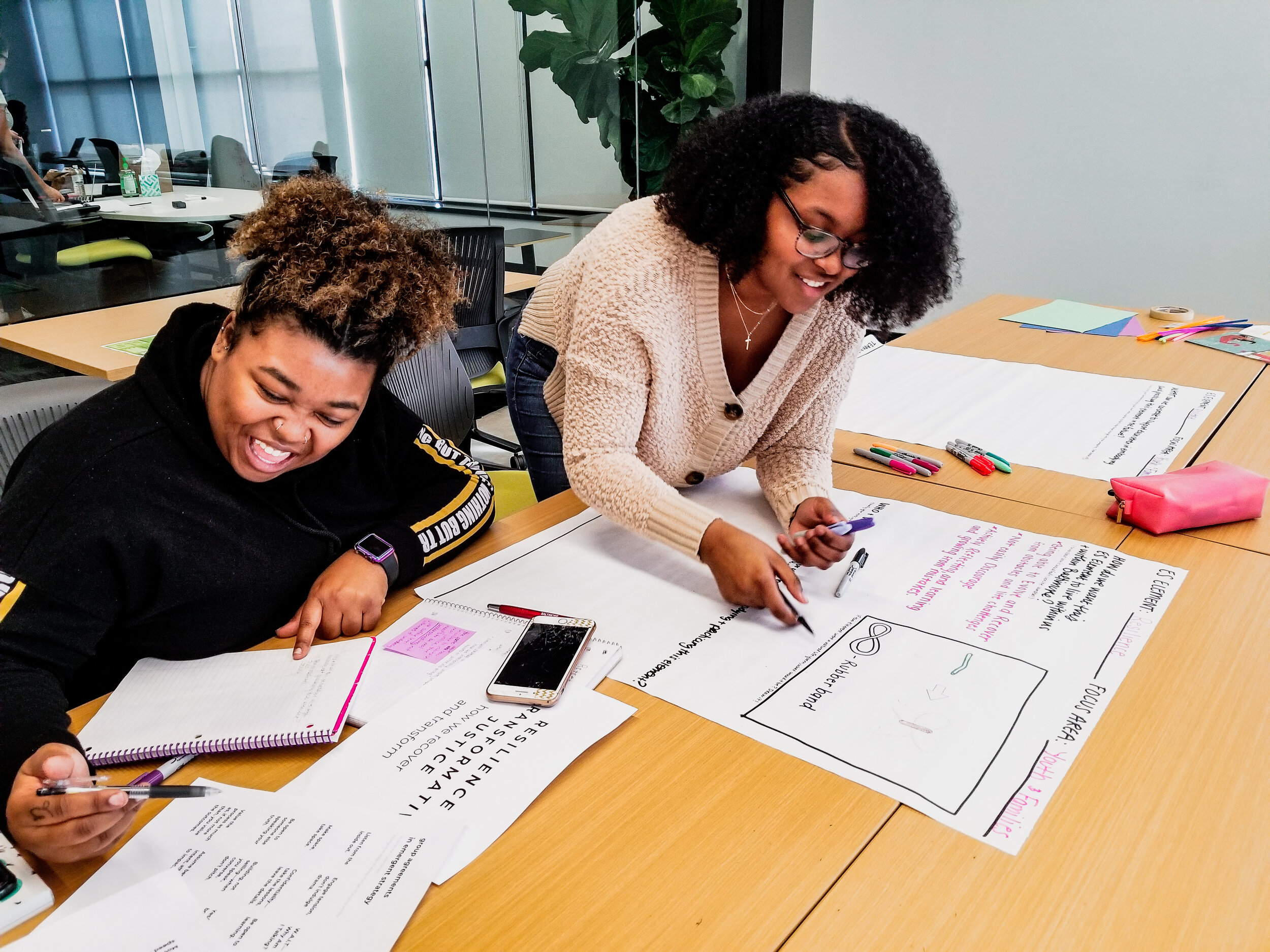
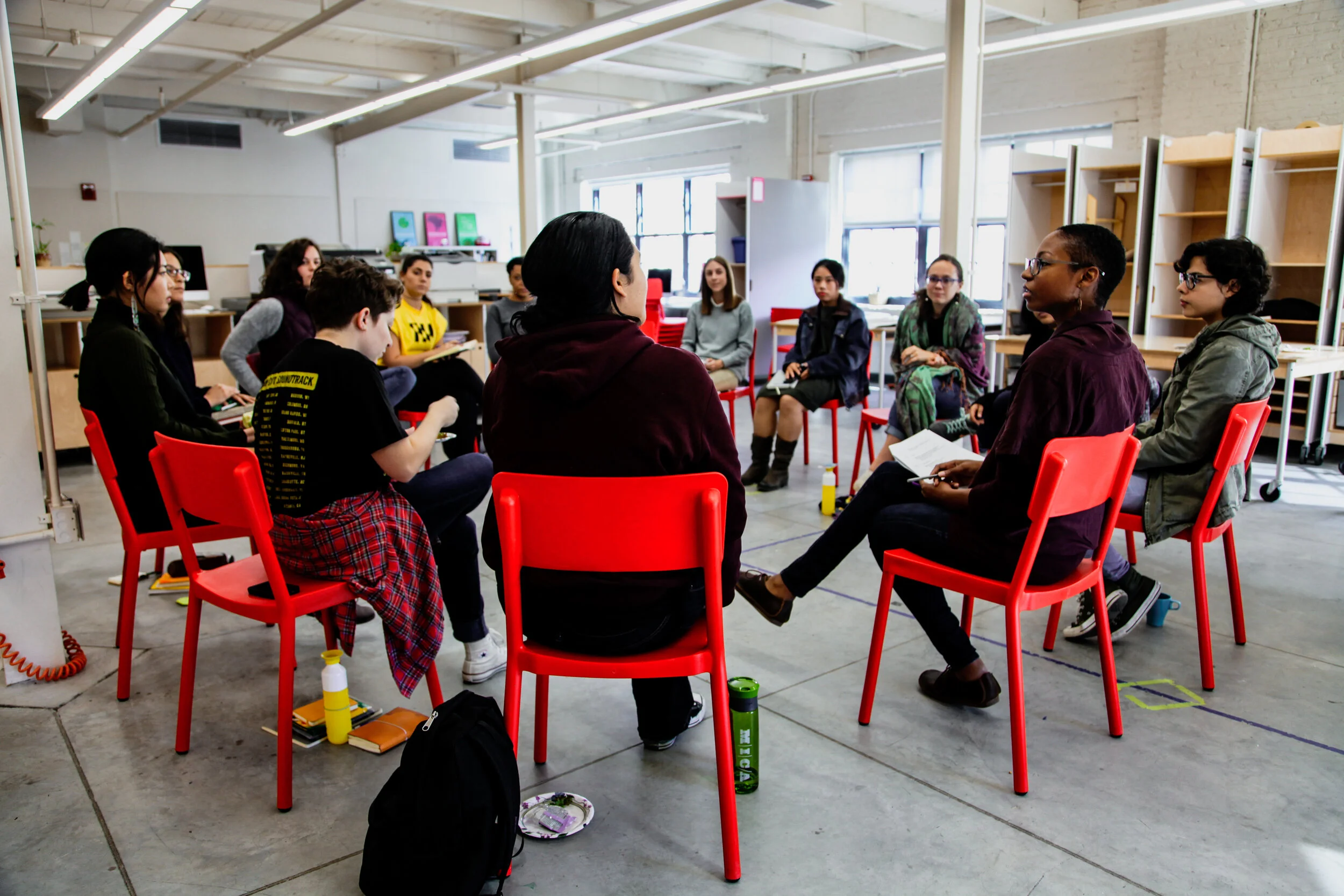
Participants during the “Design for the Wellbeing of Black Womxn” workshop in Baltimore, Maryland.
what if we design care-filled spaces where groups, communities, and movements receive what they need to be well and flourish while doing the necessary work?
Food Rescue Alliance
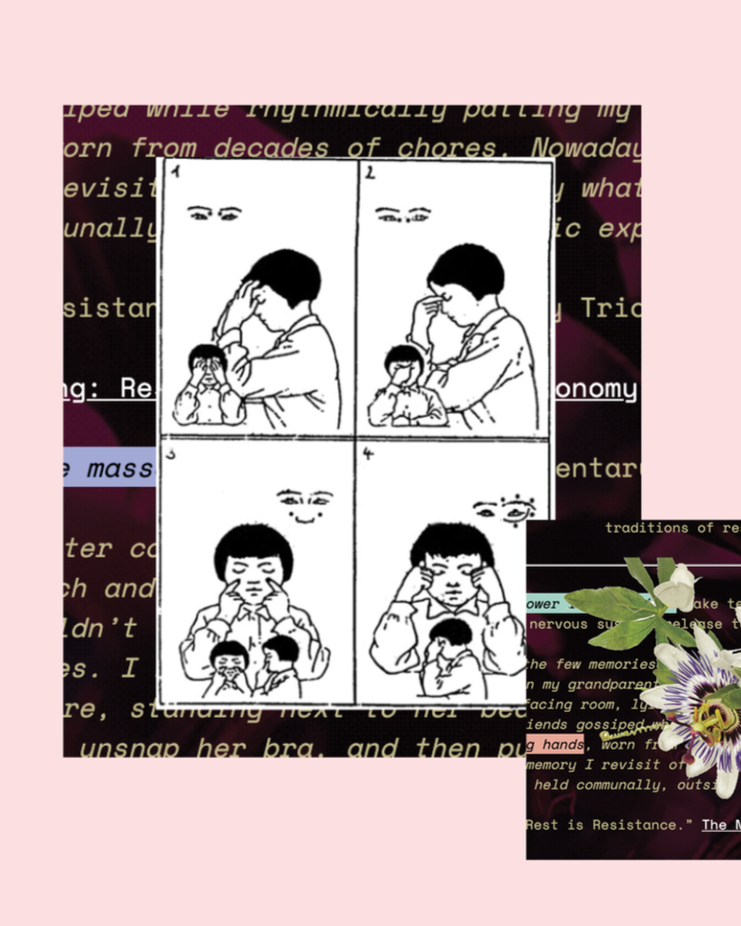
Screenshot from our Growing Connection In Virtual Spaces gathering, discussing Virtual Care Lab’s “A Portal for Collective Rest” to study existing virtual worlds and communities of care practice.
As a collaborator, I design and facilitate workshops with network members to support their healing as they do the work of movement building and ensuring communities have enough to eat.
Committed to weaving collective care throughout the network, our collaboration started with two sessions on Trusting Our Collective Care Dreams — a listening and worldmaking series to shine a light on member’s dreams and desires for care and to build strategies towards the development of future programming that reflect and resource the possibilities they’ve imagined.
Additional gatherings have included topics on Growing Connection In Virtual Spaces and most recently the 2026 workshop series Tending Our Nervous Systems As Organizers.
About the Group/Community/Movement
Food Rescue Alliance is a space for collective learning and resource sharing for food rescues and grassroots food access organizations.
Year(s): 2024 and ongoing
My Role(s): Lead Experience Designer and Facilitator
Collaborators: nènè myriam konaté (for the 2026 workshop series)
Design Justice Network Care Pod
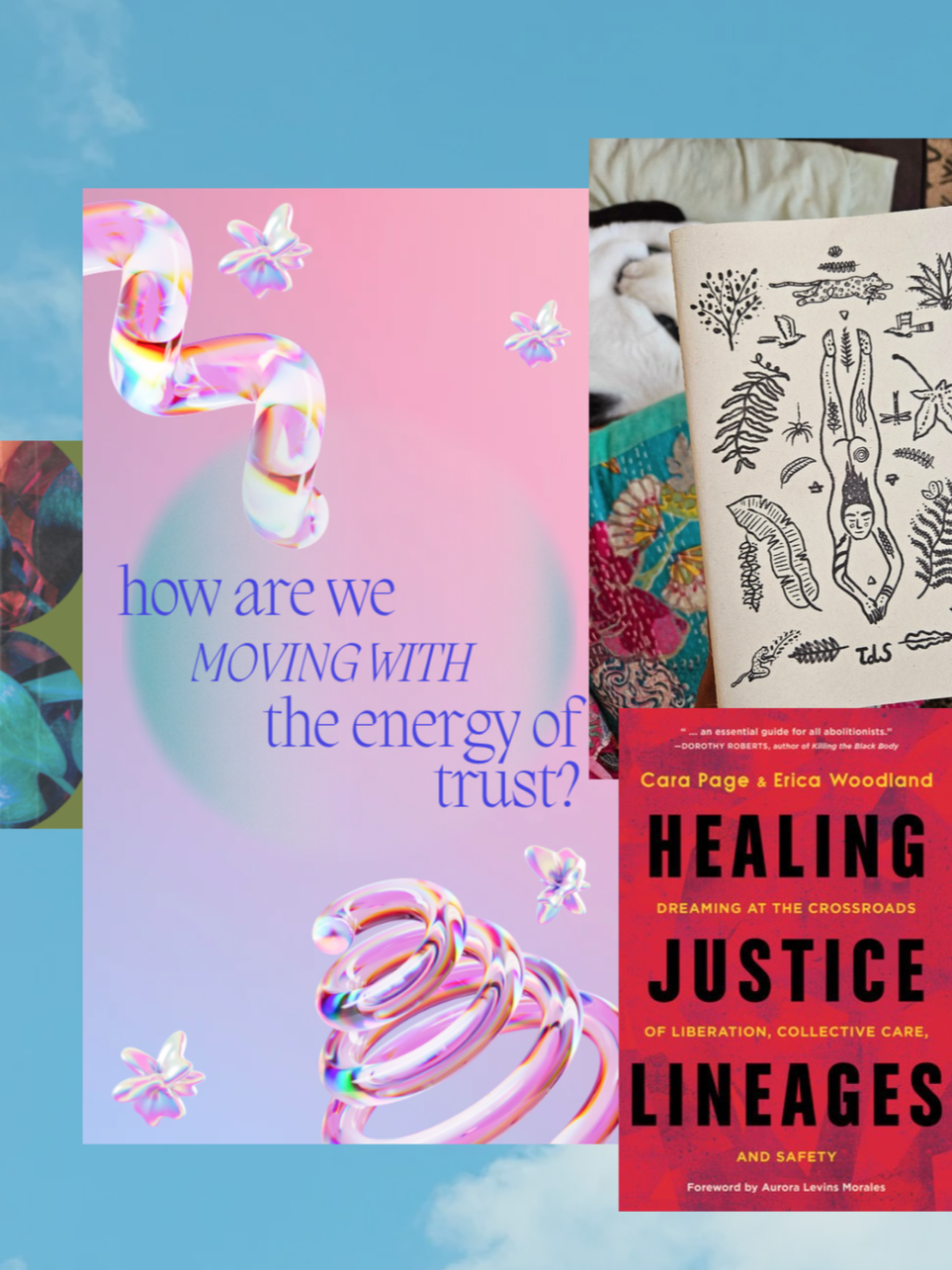
Collaged images of an inquiry from one of our digital care packages, journals for reflection, and collective study material with the book, Healing Justice Lineages: Dreaming at the Crossroads of Liberation, Collective Care, and Safety by Cara Page & Erica Woodland.
Through virtual gatherings and online/offline togetherness, we cultivated practices, designed rituals, and built relationships of support and solidarity with those committed to liberation work outside of non-profit and institutional spaces.
Our gatherings were intentionally open to communities beyond DJN membership to nurture cross-movement, transnational connections. Applying design justice principles, we held listening and synthesis gatherings for future participants, co-facilitated with guest practitioners rooted in liberatory praxis.
Themes throughout the two years included communicating through conflict, creating care teams, healing money wounds, and connecting with nature and our inner ecologies.
About the Group/Community/Movement
The DJN Care Pod was a soft, regenerative space experimenting with how the lineages of care and healing justice might shape the way we design more just, community-led worlds.
Year(s): 2022 — 2024
My Role: Care Pod Lead
Collaborators: Jody Chan and Corina Fadel
Living Cities
Closing the Gaps Network
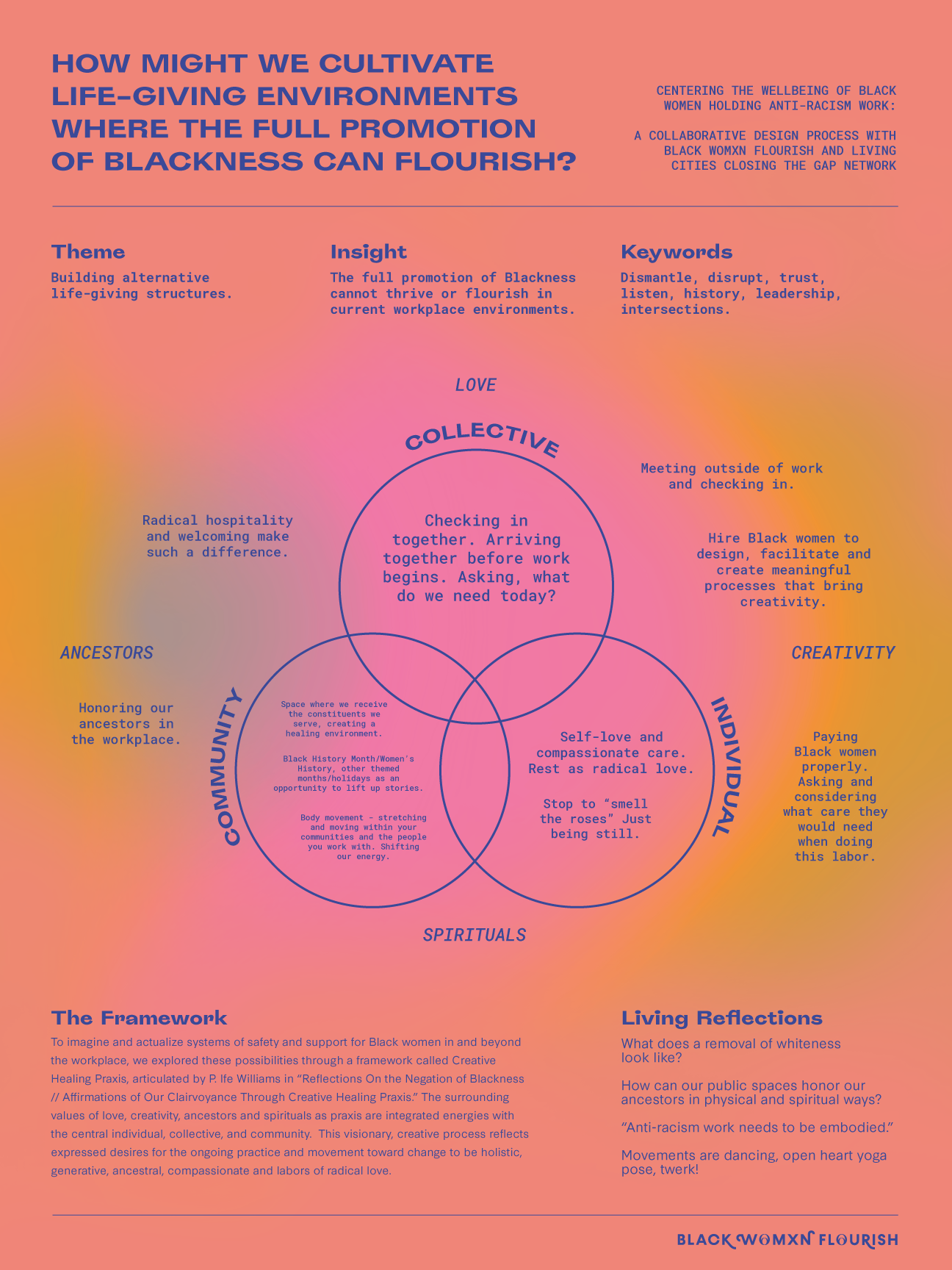
One of three posters that were designed to synthesize and spotlight co-dreaming questions and conversations we shared with Black women holding anti-racism work. The posters were added to the Living Cities Reckoning With Race curriculum.
Amid the COVID-19 pandemic, a virtual year-long collaboration with Living Cities began in 2020, through Black Womxn Flourish, a collective I founded and stewarded. We created and facilitated co-design sessions to support their organization with envisioning The “Closing the Gaps” Network made of anti-racist organizers in local governments.
The sessions intentionally centered the wellbeing of Black women leaders who face the undue burden of holding racial equity work and the experiences were built to help foster creative, visionary spaces rooted in a pro-Black vision for the future.
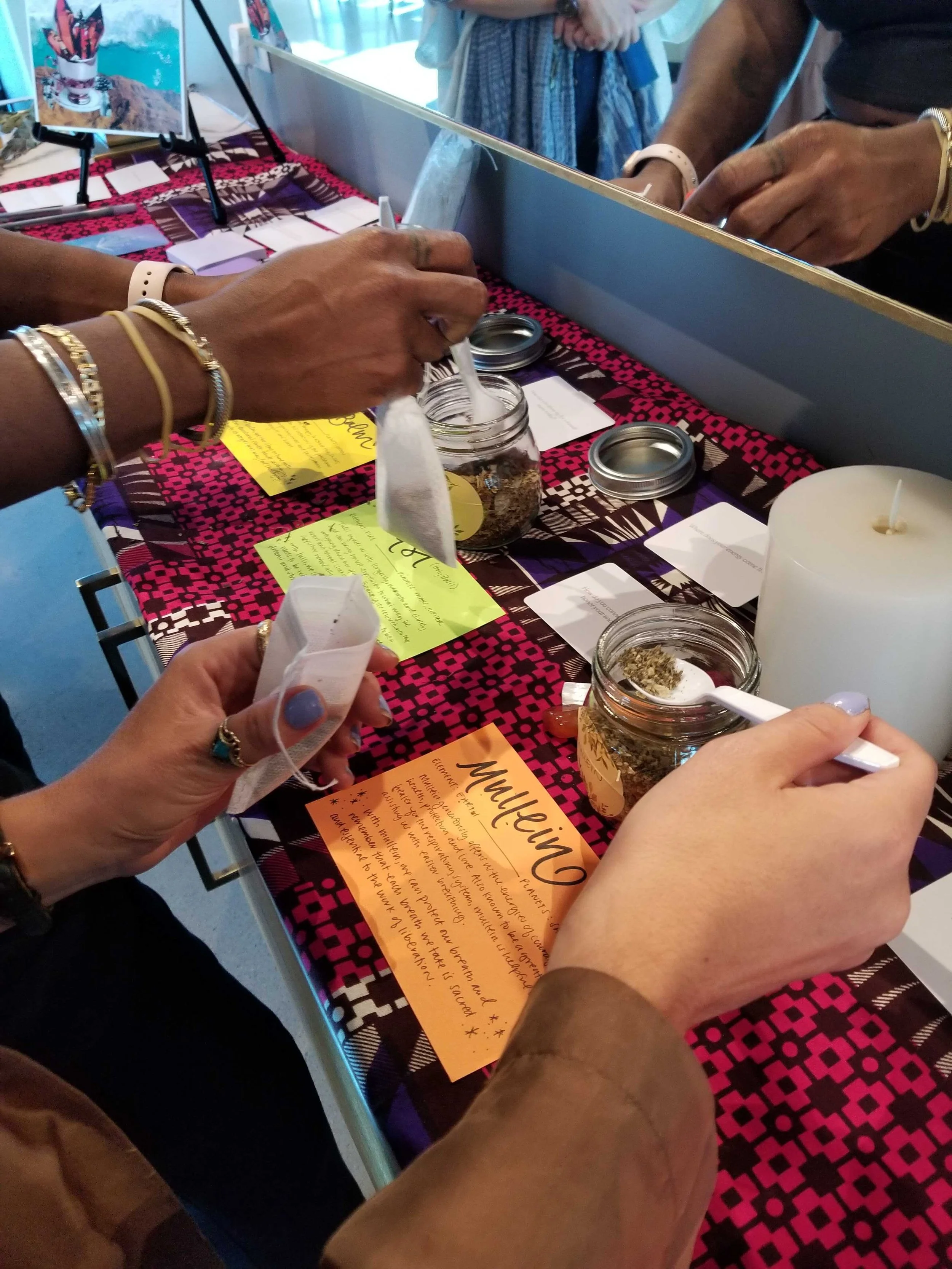
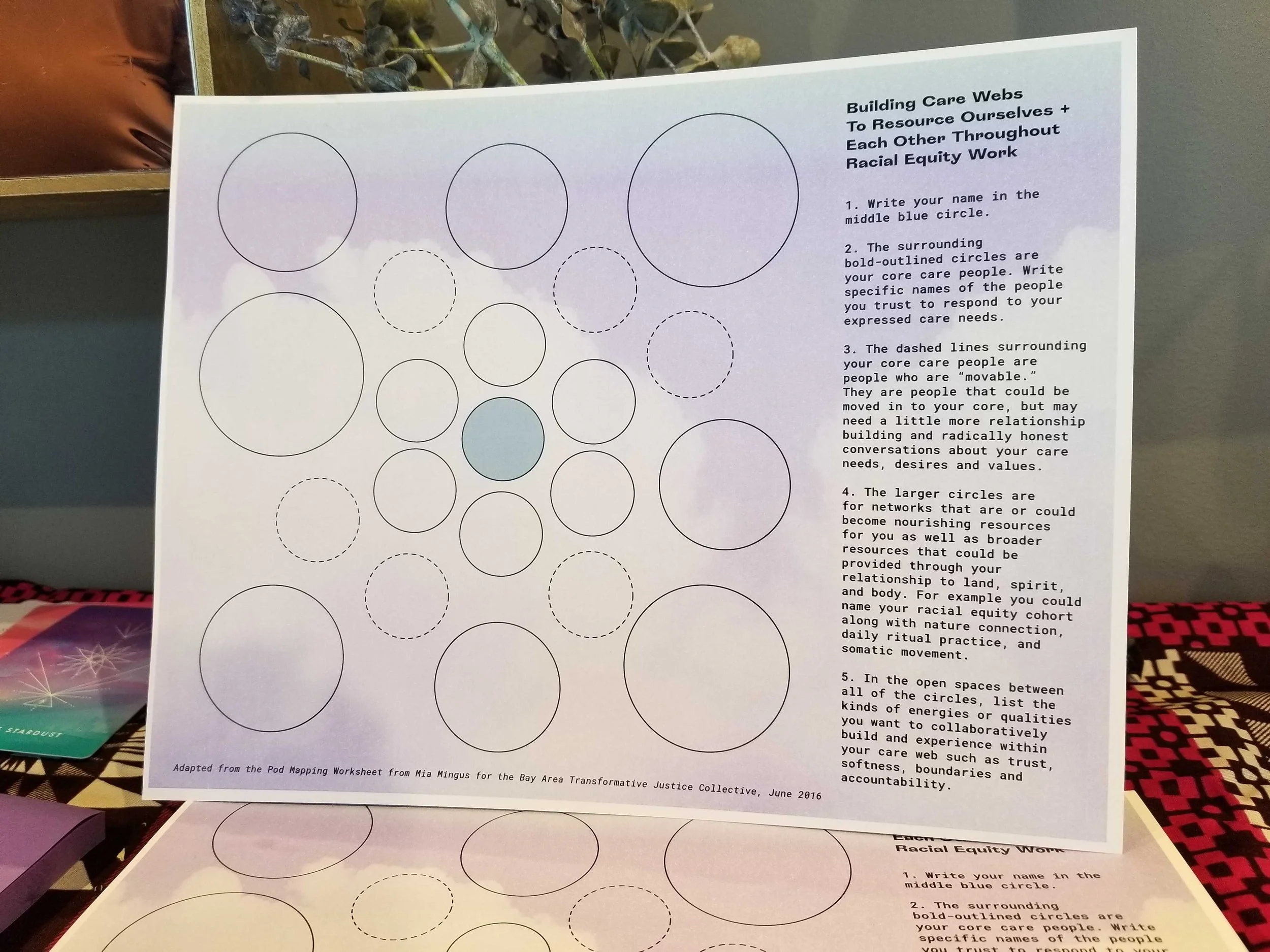
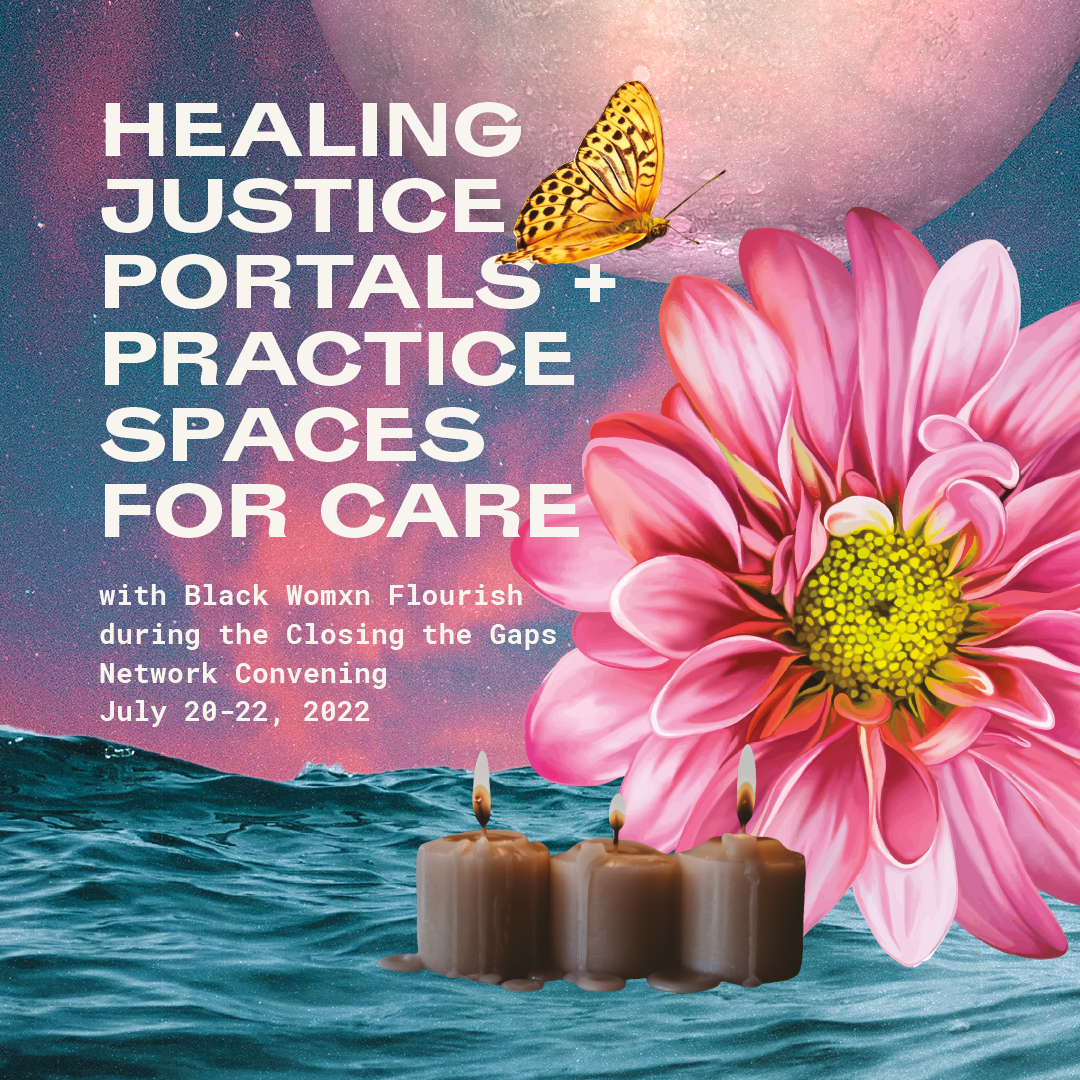
In 2022, I also led the design and co-holding of healing justice portals and practice spaces for attendees of the 2022 Closing the Gaps (CTG) Network Convening in Saint Paul, MN. Lifting up values of radical love, ancestral connection, storytelling, and embodiment, these holistic, liberatory experiences support participants in exploring the multiple modalities and meanings of care.
Each day's offering became an invitation to (re)claim their personal and communal agency in healing as a continual practice as they process the challenges and opportunities of racial equity work, during the convening and beyond.
Images below are materials and moments from the convening.
About the Group/Community/Movement
The “Closing the Gaps” Network (CTG Network) is a community of geographically and demographically diverse cities committed to closing racial income and wealth gaps.
Year(s): 2020-2022
My Role(s): Experience Designer, Creative Strategist, Researcher, Co-facilitator
Collaborators: N’Deye Diakhate, Precious Diamond Blake, Teena Lewis
possibilities for gatherings and programs

-
For engaging one-time workshops that support community wellbeing and offer practices and tools on a specific care topic. Gatherings can be 90 min - 2.5 hours and are usually apart of convenings such as conferences, lecture series, and retreats.
-
For a deep immersion into a community-identified care topic (or range of topics) that invite ongoing dialogue, intimacy building, and creative forms of engagement. This offering requires a Co-dreaming Session with community members to excavate themes that will shape each gathering and a Closing Reflection Session to share insights and feedback.
-
For groups, communities, and movements who have made a commitment to care and want to develop a program that lasts at least one year. Collaboration involves intensive experience design alongside community members and leadership to clarify long-term visions and help shape the program. Strategies for life-affirming forms of engagement will be developed along with ways everyone involved can both learn and practice towards their care dreams.
weaving new worlds with students
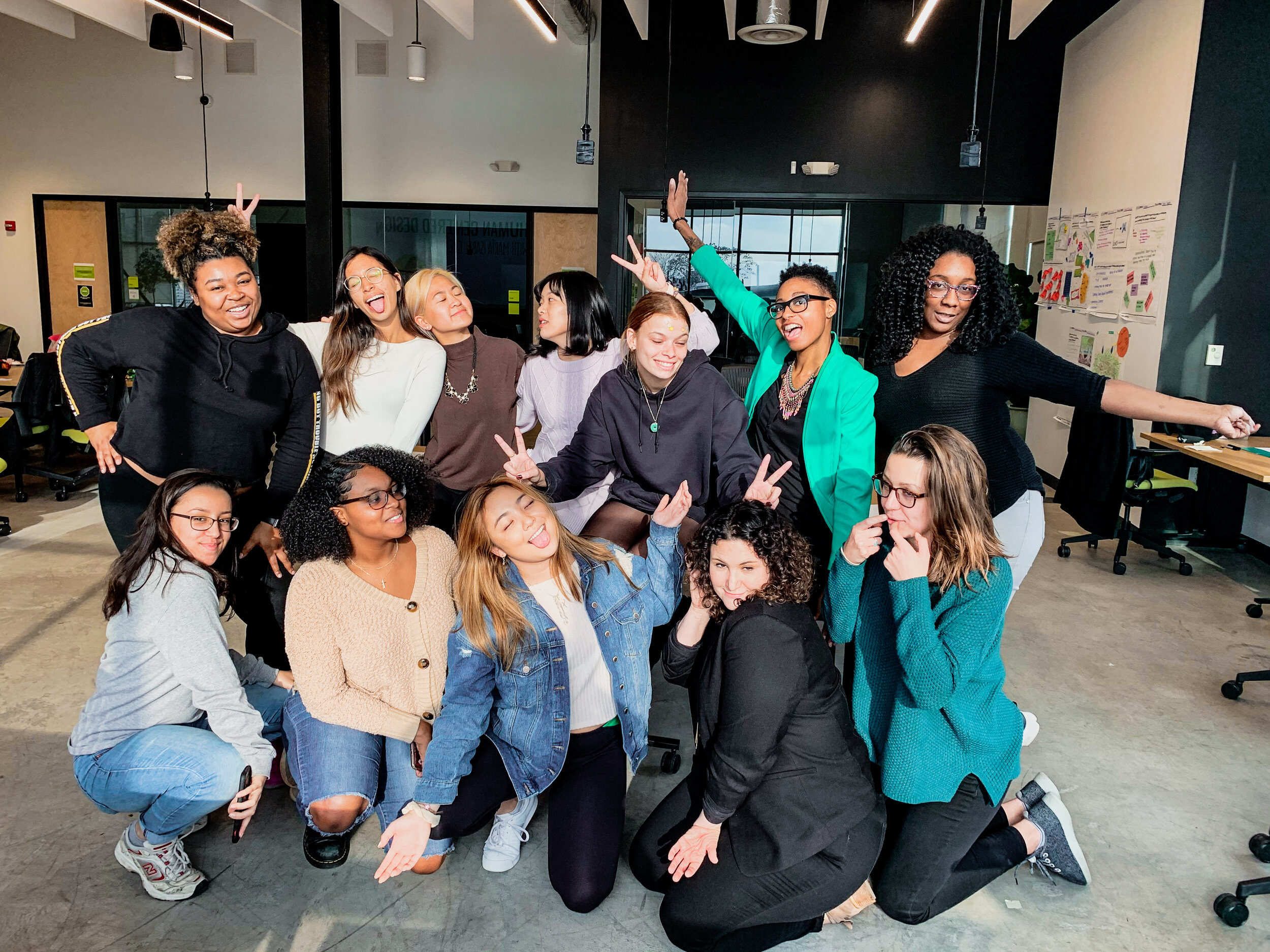
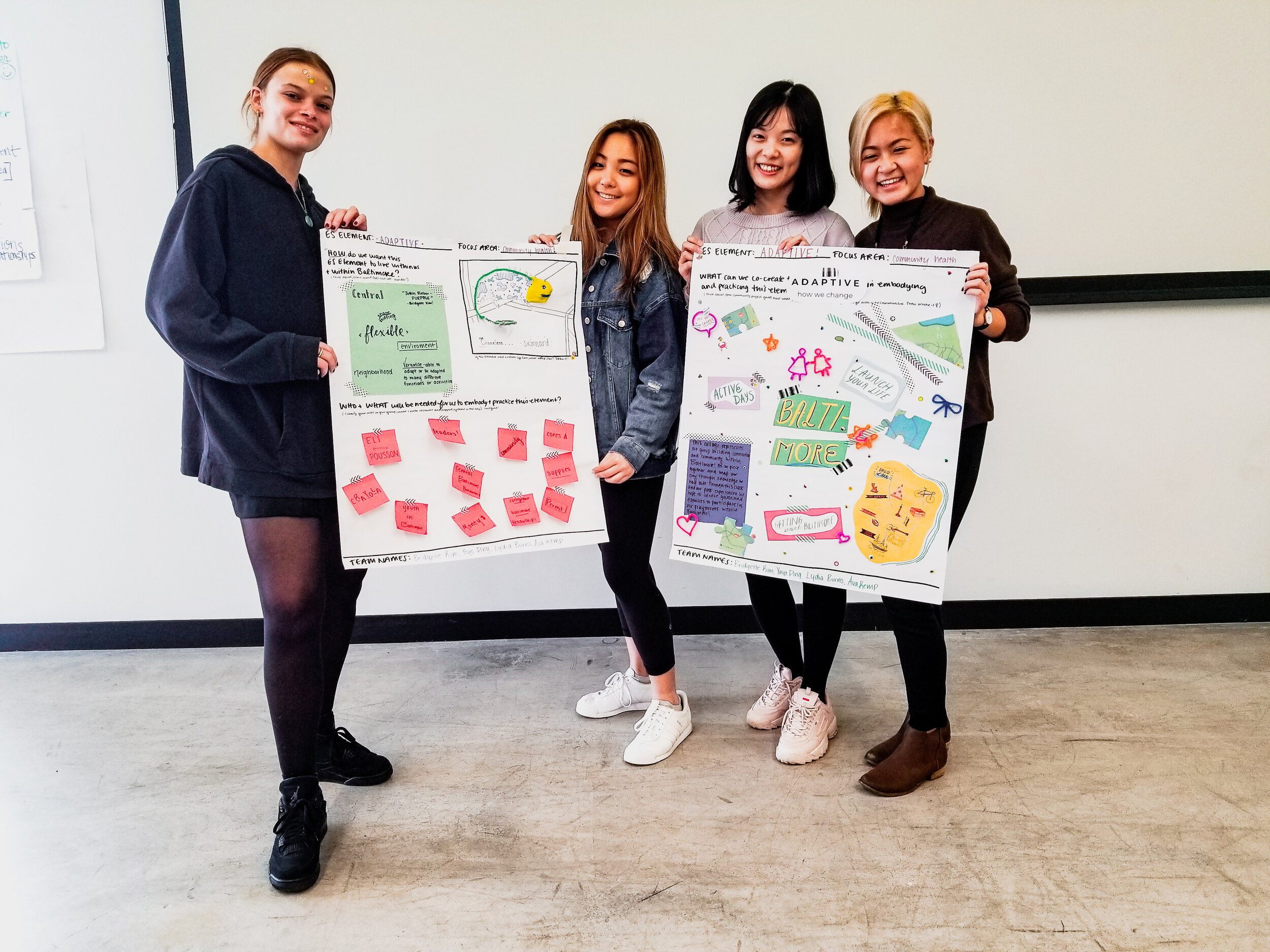
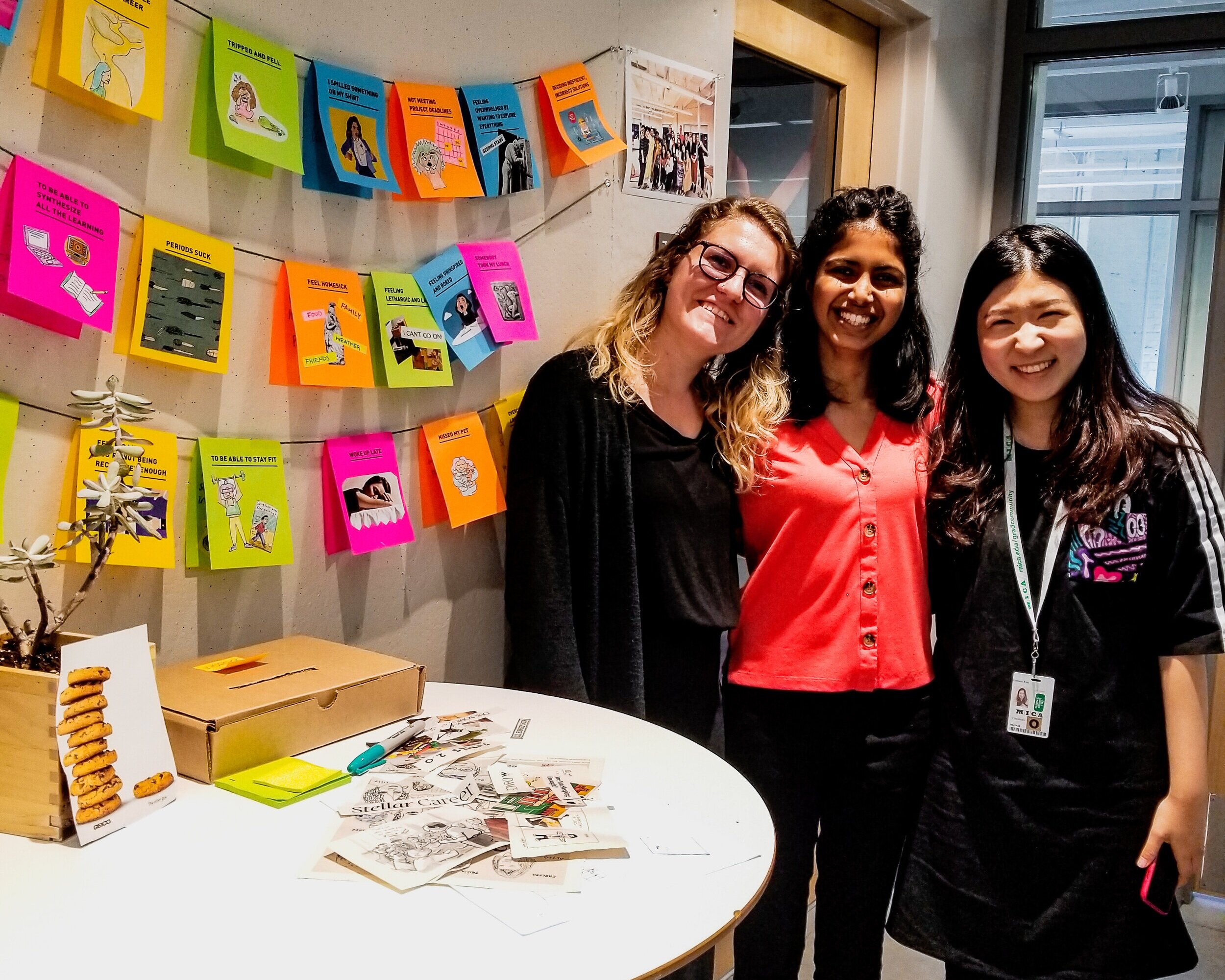
a joyful end-of-session capture with the Baltimore Collegetown cohort
MA Social Design
After graduating from MICA’s MA Social Design (MASD) in 2017, I stayed connected to their Center for Social Design. I understood how it felt to move through the program as a student while desiring a more liberatory framework of design and more care within the curriculum. Seeing care-centric guidance as necessary, I proposed, designed, and facilitated experiences for three cohorts.
Graduate students were guided on ways to unearth what they care about and what will guide communities of practice, prototype tools and resources for taking care as a cohort, and explore Design as a Pathway to Justice—a virtual module asking and experimenting with the inquiries: How can design be a tool for dreaming and building more just, liberating futures? How can we both practice and embody the justice we want to see?
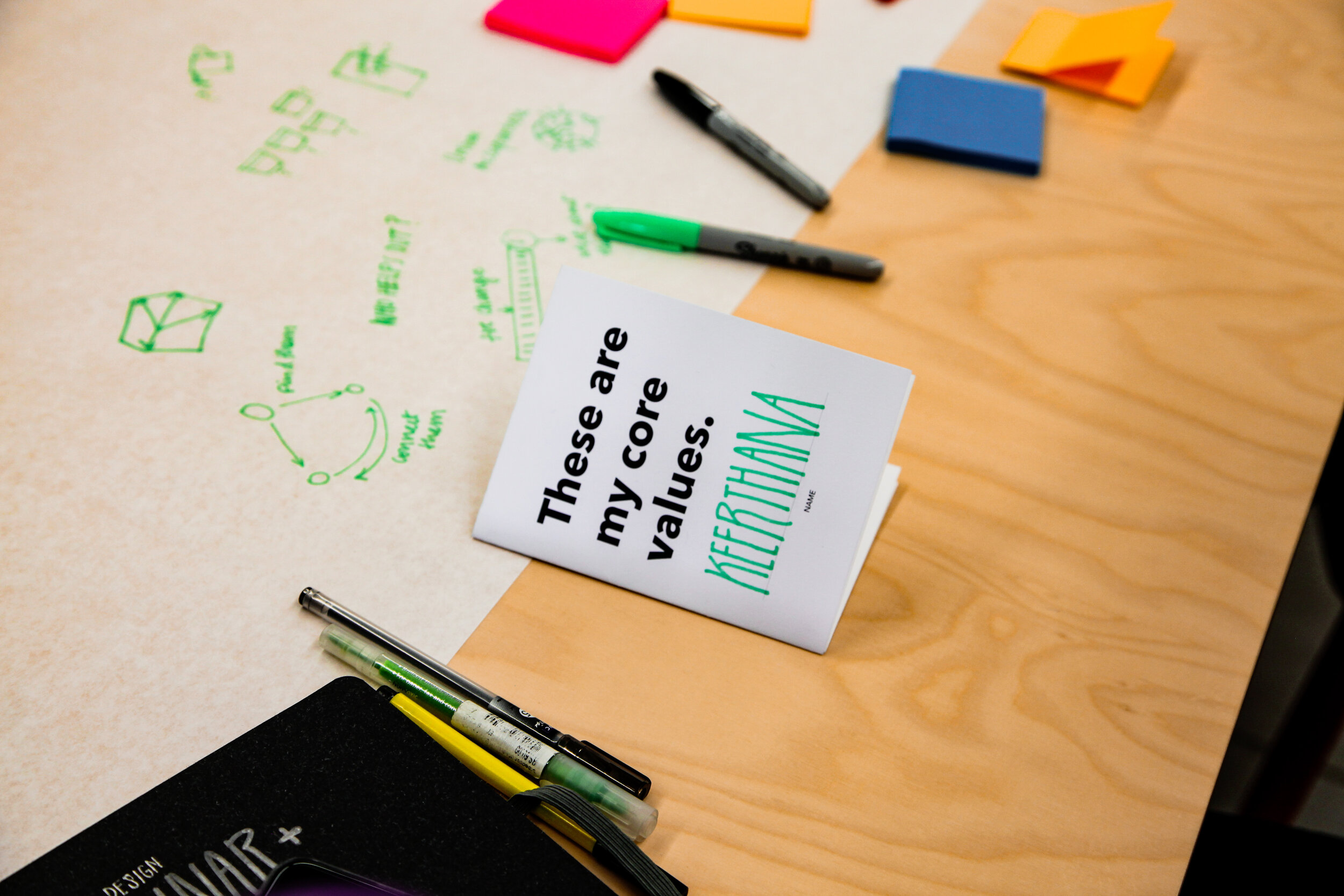
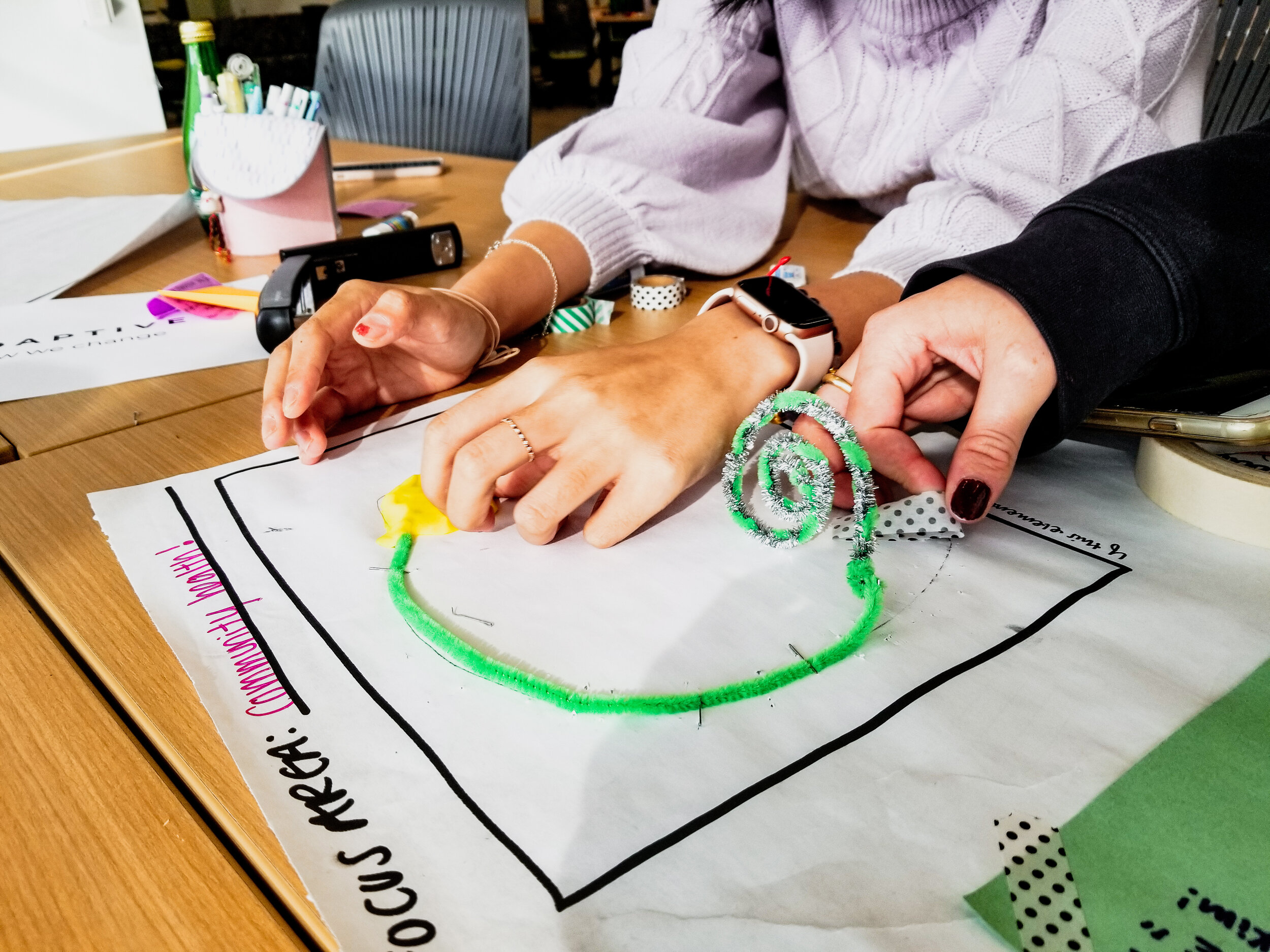
Photos from experiences with MASD students are shown below.
Baltimore Collegetown
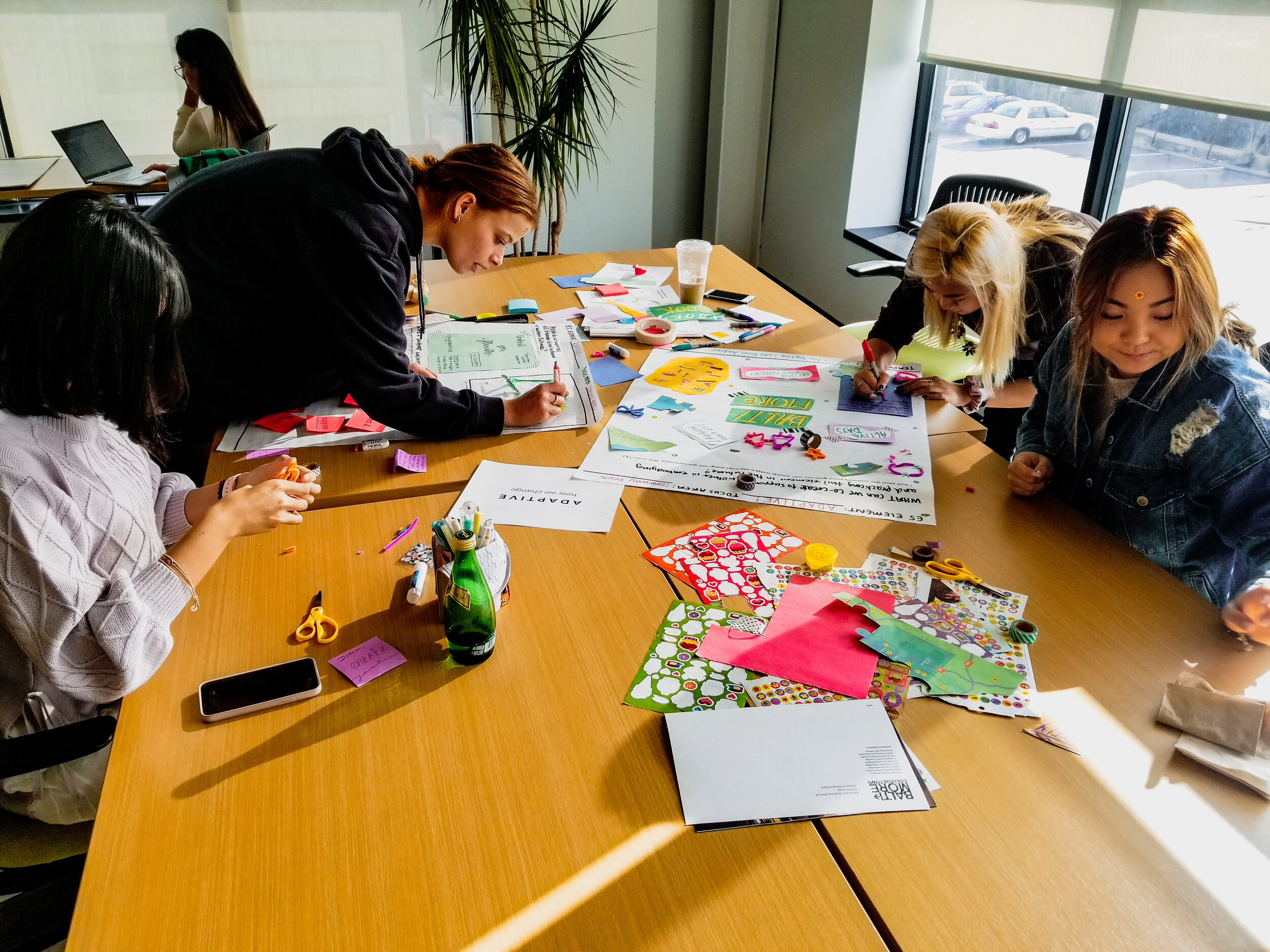
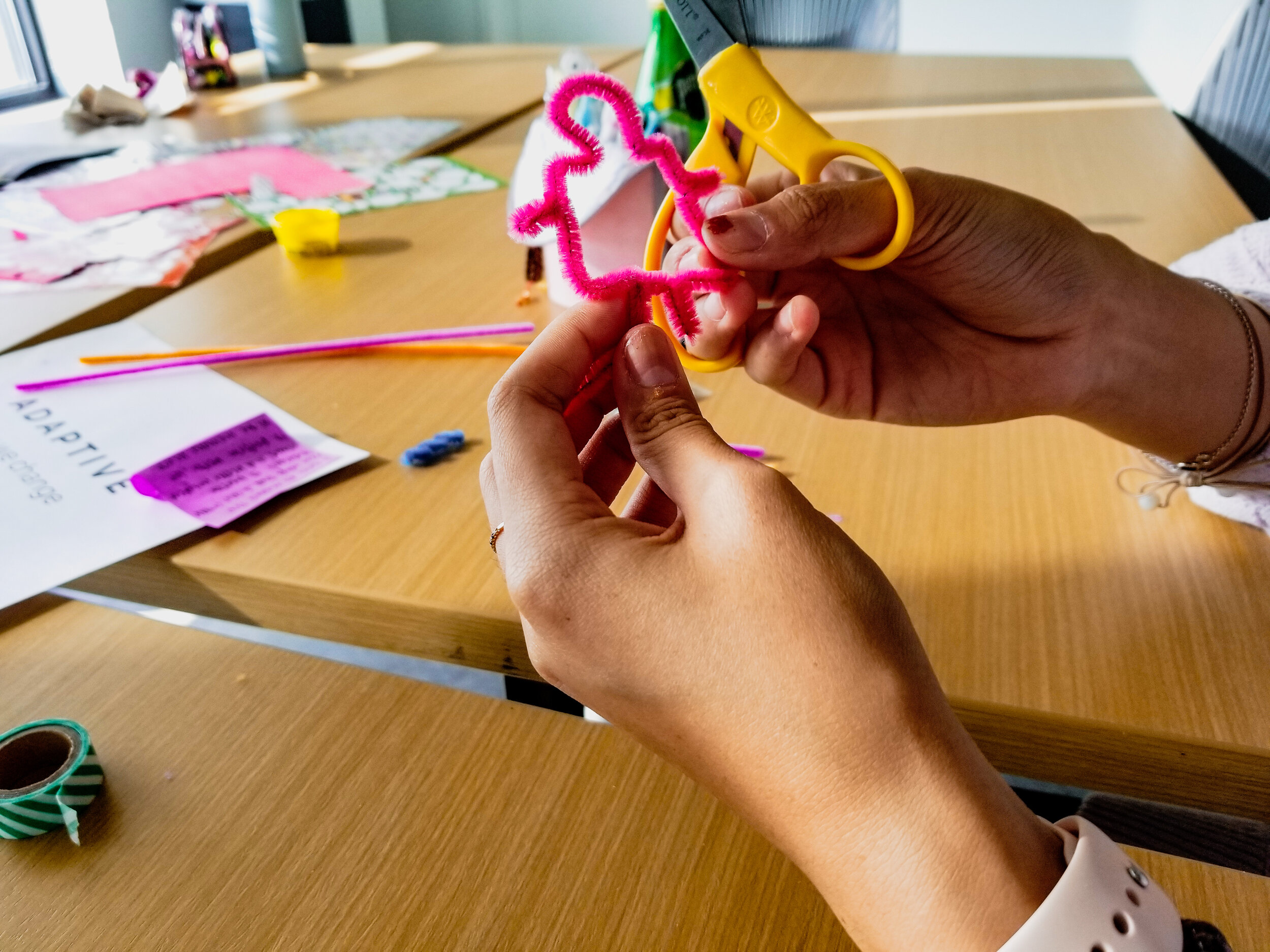
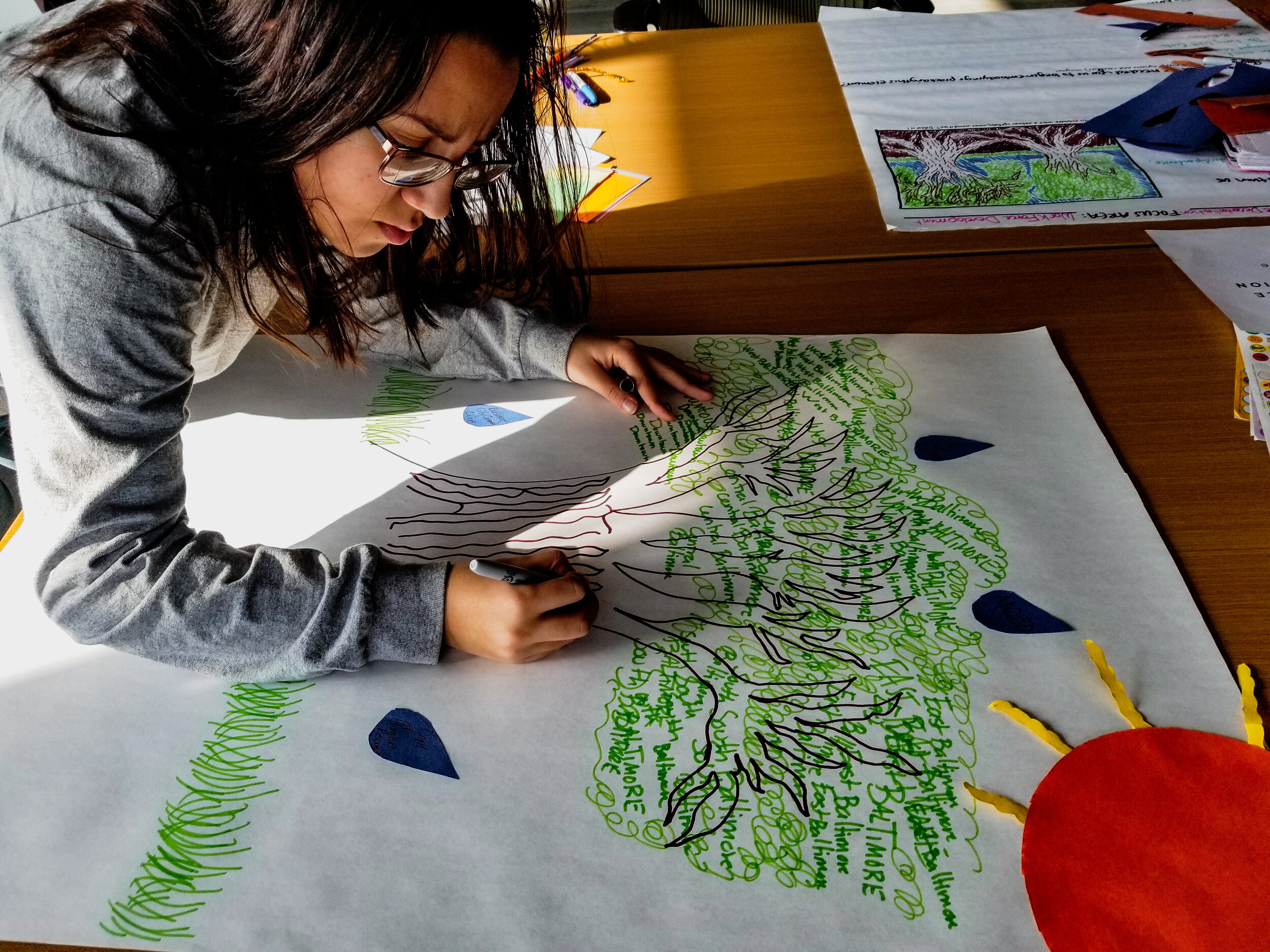
During the Baltimore Collegetown Fellowship Retreat, students across campuses came together to learn about ways to co-create social change and receive support while engaging with their local communities. Together, we explored the principles and elements of emergent strategy through poetry, storytelling, imagination, and prototyping.
Students worked in groups to practice relational and care-filled ways of building the worlds they want to see, clarify their inner and outer resources, and develop project goals rooted in nature and collective transformation.
Photos from experiences during the Fellowship Retreat are shown below.
VCU Graphic Design
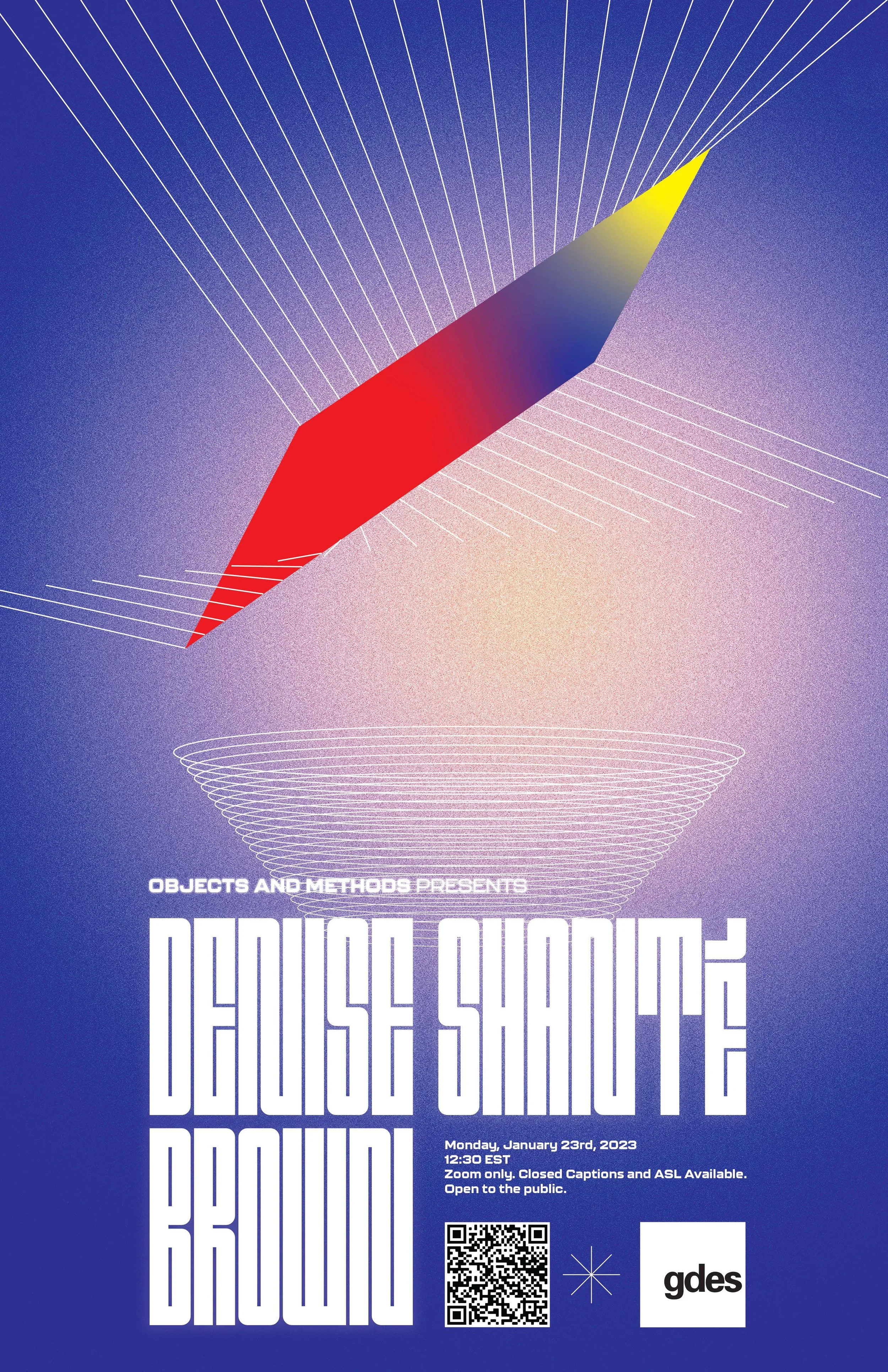
January 2023, I was invited to lecture at Virginia Commonwealth University and participate in Objects & Methods Public, a public lecture series that focuses on expansive conversations around design practices for our students, community, and publics.
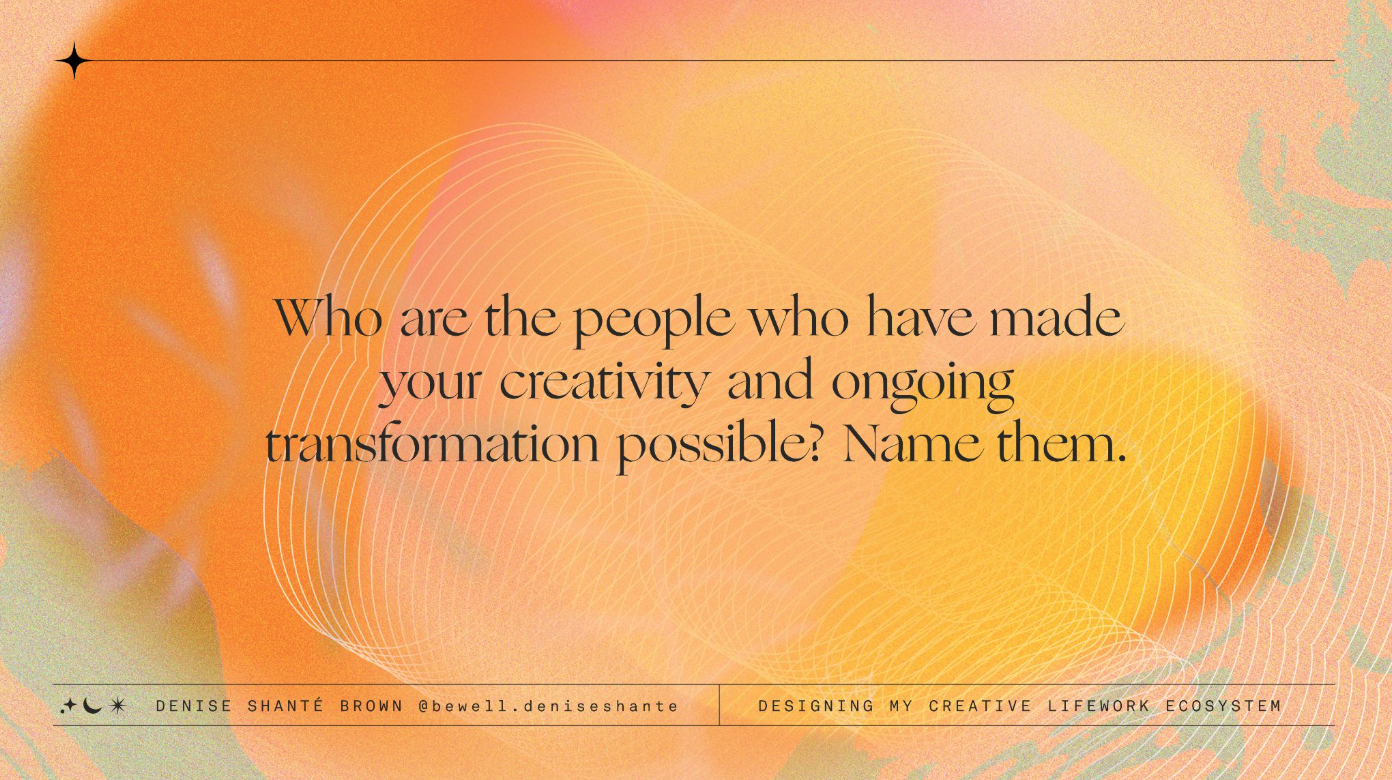
My interactive talk, Designing My Creative Lifework Ecosystem, explored the iterative, emergent process of forming and nurturing my practice, insights and beautiful questions gathered along the way, and what designing futures can look like with care, collaboration, and centering what matters to you the most.
Graduate students received 1:1 studio visits with me for feedback on their recent bodies of work and an opportunity to ask questions they had about research and process.
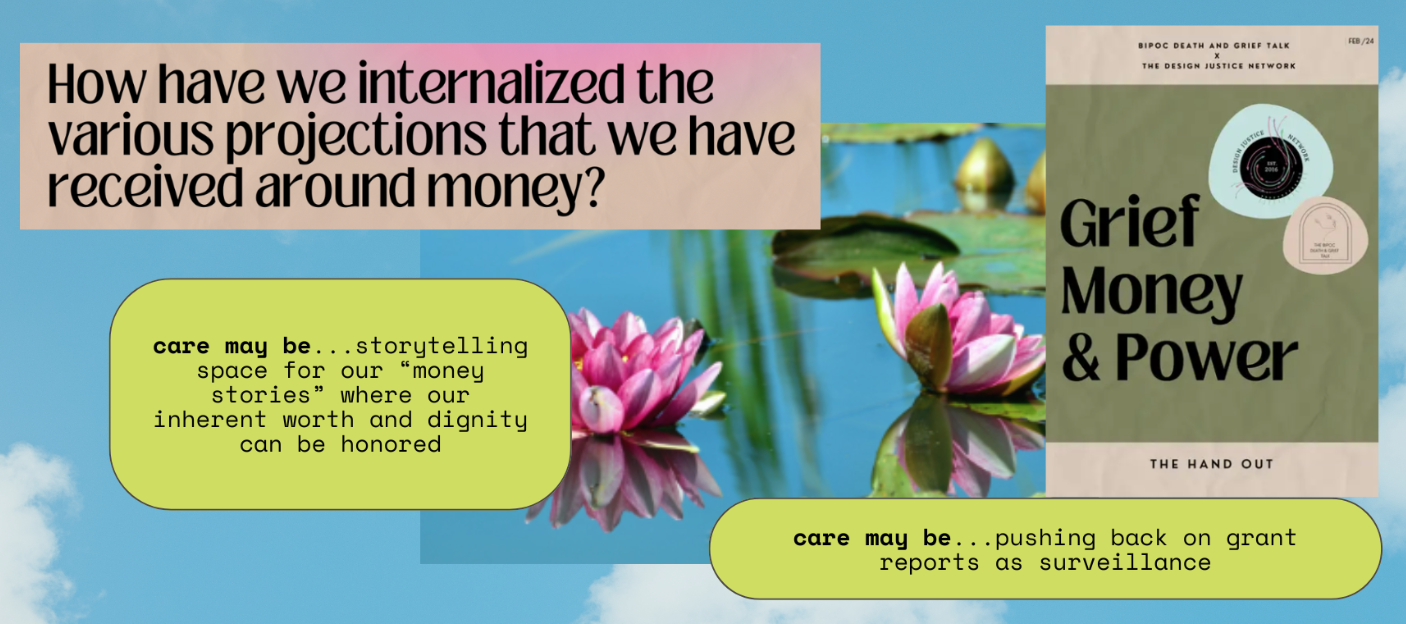
Poster Design by graduate GDES student Bradley Sinanan @barleyxcx is shown below along with one of my slides from the presentation.